Exploring the Historical Significance of Dubai's Old Market

Intro
Dubai is often seen as a city of skyscrapers and modernity, but layered within its sparkling facade lies a tapestry of rich history and cultural heritage. Among these heritage sites, the Old Market stands out as a vibrant emblem of traditional trading practices, showcasing the deep-rooted commerce that shaped the city. As you stroll through the bustling narrow alleyways, a sensory symphony emerges: spices that tickle the nose, textiles that beckon with their colors, and the underlying melodies of merchants haggling over prices. This market serves not only as a commerce hub but as a cultural crossroads where stories and traditions flourish.
The significance of the Old Market transcends beyond mere tourism. It stands as an invaluable component of Dubai’s social and economic history and lays the groundwork for future growth. For investors eyeing the real estate sector, understanding this market is crucial when assessing the evolving landscape. Here, we delve into the market trends, investment opportunities, and future projections associated within and surrounding the Old Market, helping you carve a niche in this vibrant locale.
Intro to the Old Market
The Old Market of Dubai, often referred to as the heart of the city’s trading spirit, serves as an extraordinary gateway into the unique blend of tradition and modernity that defines Dubai today. Understanding this market is not just about exploring a collection of shops; it's about delving into the socio-economic canvas that represents the interplay between Dubai's rich heritage and its rapid development. This section aims to introduce readers to the essence of the Old Market, emphasizing its significance in the broader narrative of Dubai’s market history, social interactions, and economic contributions.
Overview of Dubai's Market History
Dubai's market history is a tapestry woven from diverse influences stretching back centuries. Originally a modest fishing village, Dubai transformed into a bustling trading hub due to its strategic location along trading routes. The Old Market, known for its vibrancy, originally began as a marketplace for local goods, primarily pearls, textiles, and spices. The establishment of the Dubai Creek facilitated maritime trade, drawing merchants from as far as India and Africa who sought to exchange goods.
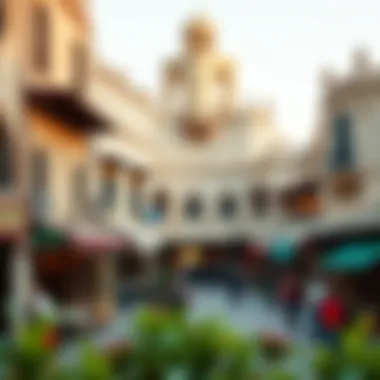
The market's architecture reflects this rich history, with wind towers designed for cooling and shaded walkways that invite exploration. A visit to the Old Market today can still evoke the sense of a timeless bazaar, where whispers of the past linger in the air while contemporary influences have made their mark.
Location and Accessibility
Nestled along the Dubai Creek, the Old Market’s location is about more than geography; it positions the market as a central landmark in the tapestry of Dubai. Accessible by both land and water, it is conveniently reachable via the Dubai Metro, with the nearest station being Al Ras. Additionally, traditional abra (water taxi) services connect visitors to the bustling souks on either side of the creek, allowing for a scenic approach that captures the essence of the city's historic trade routes.
The surrounding streets are alive with the sounds of bargaining and laughter, making the experience of navigating through the market both enjoyable and inviting. Parking is also available for those opting for a more direct, private visit, but taking public transport can offer an immersive taste of the local lifestyle. It’s advised to visit during cooler hours of the day, as the marketplace can become quite bustling, allowing for a more comfortable exploration through its numerous stalls.
The blend of history, accessibility, and vibrant market life creates a unique atmosphere, making the Old Market not just a shopping destination but a compelling cultural experience. Whether one is an investor eyeing opportunities or a homebuyer looking for genuine encounters with local traditions, this market provides a microcosm of Dubai’s rich social and economic life.
Historical Context
Understanding the historical context of the Old Market in Dubai is crucial for grasping not only its significance but also its evolution. This exploration reveals how the market has shaped, and continues to shape, the local economy and culture. The historical roots provide insights into trade practices, social interactions, and how Dubai transformed from a modest fishing village to a buzzing metropolis steeped in commerce.
Origins of the Market
The Old Market traces its roots back to the early days of Dubai, around the 19th century. Initially, it served as a gathering point for traders and locals, reflecting the simple yet vibrant lifestyle that characterized the area. Merchants hailing from different regions would gang together to exchange goods, from spices to textiles. This blending of cultures helped foster a unique social fabric, where the market was more than just a place to shop; it became a hub of community life.
Many of the original market stalls were constructed using traditional materials, such as mud and palm fronds, showcasing the local architectural style. Each stall bore witness to the stories of its owners and represented their heritage. The charm of these early structures continues to resonate today, attracting visitors keen on experiencing Dubai's rich past.
Evolution Through the Years
As Dubai expanded, so did the Old Market. With the discovery of oil in the mid-20th century, there was a surge in economic activity that significantly changed the market's landscape. New investments led to modern structures being built alongside traditional ones. The evolution was not just about architecture; it encapsulated shifts in consumer behavior and the types of goods being sold.
- In the 1960s, gold and jewelry shops proliferated, capitalizing on the affluent population and tourists drawn by the glamour of the Emirates.
- The 1980s saw an influx of electronic goods and imported products, marking a shift in the market's offerings.
Currently, the Old Market stands as a juxtaposition of the old and new, where traditional crafts coexist with modern retail experiences. The market has adapted without losing its core identity—an impressive feat in a city known for its rapid transformation.
Market's Role in Trade Development
The Old Market has played a pivotal role in the development of trade in Dubai. Historically, it was the primary trading point for numerous essential goods. As various ethnic groups converged to Dubai, the market became a melting pot of trade languages and practices—an open-air marketplace that allowed commerce to thrive in its most organic form.
The introduction of new trade routes and methods over the decades has only solidified this role. The market helps support local artisans and dealers by providing a platform from which these businesses can reach a global audience.
Moreover, today’s economic framework reflects the legacy of the Old Market:
- It showcases local talent through handmade crafts and traditional goods.
- Local vendors contribute to the economy by keeping traditional practices alive while catering to modern consumer preferences.
In summary, a thorough look back at the past of Dubai’s Old Market reminds us of how interwoven the story of the market is with that of the city's entire development. This context not only helps investors understand its value but also reinforces the need to preserve this cultural gem amidst ongoing transformations.
Architectural Features
The architectural features of the Old Market in Dubai are not merely about aesthetics; they reflect the intricate tapestry of the city's history, culture and economy. Understanding these architectural elements is fundamental in appreciating how the market has evolved and how it fits into the broader urban landscape. Visitors are often struck by the harmony between the old and modern structures, providing a valuable insight into the dynamics of urban development. Investing in this market is not just about real estate; it involves engaging with a living piece of history.
Traditional Design Elements
The Old Market showcases a variety of traditional design elements that resonate with the historical context of Dubai. The wind towers, or badgirs, are an iconic feature often seen on buildings. These towers are ingeniously designed to capture the breeze and cool interiors naturally. Their presence harkens back to a time when air conditioning was a luxury, making energy-efficient design not just a modern concern but a traditional wisdom.
Moreover, the intricacies of the carved wooden doors and the vibrant, decorative tiles reflect the craftsmanship prevalent in the region. Such details not only beautify the surroundings but also tell stories of the artisans who made them. Walking through the narrow lanes can feel like stepping back in time, where each corner hides tales waiting to be uncovered.
Cultural Significance of Architecture
The architecture of the Old Market does more than support commerce; it embodies the collective memory of its people. Each structure represents a layer of cultural significance, from Islamic influences to multicultural aspects introduced over decades of trade. The market serves as a communal hub, facilitating not only trade but social interaction. It is a space where customs and traditions intertwine with daily life, and the architecture complements this by providing areas for gathering and socializing.
Moreover, the market's architecture establishes a sense of identity for the community. It has stood the test of time, resisting the uniformity that often comes with modernization. Each archway and façade has a tale, making them vital touchpoints for those who call this place home.
"In a world increasingly dominated by glass and steel, the Old Market stands resilient, a testament to the enduring power of architectural heritage."
Modern Influences in Design
While the Old Market is steeped in tradition, it is not immune to the influences of modernity. Recent renovations aim at enhancing visitor experience while preserving its historical essence. The incorporation of contemporary materials has created a delicate balance between the old and the new. For instance, streamlined pathways now coexist with ancient stalls, making it more navigable for visitors without losing its charm.
In addition to functionality, modern architectural elements have been applied thoughtfully. LED lighting, for instance, highlights the intricate details of traditional designs, showcasing them in a new light. Visitors can now appreciate the artistry after sundown, and this visual allure becomes a pull factor for crowds, contributing to the market's economic viability.
From sustainable practices to enhanced accessibility, modern influences are reshaping the market without erasing its historical footprint. This adaptability serves well for potential investors, as it indicates a positive trend of growth without losing its character.
In summary, architectural features of the Old Market in Dubai encompass not just the physical structures but reveal a deeper narrative about cultural identity, social cohesion, and economic resilience. For investors, understanding these nuances can provide a distinct edge in recognizing the value of this vibrant marketplace.
Relevant Resources:
- Wikipedia on the Old Market of Dubai
- Britannica on Dubai Architecture
- Reddit discussion: Dubai's Architectural Heritage
Goods and Offerings
The Old Market of Dubai isn’t just a place for transactions; it embodies the very essence of cultural exchange and local identity. The goods and offerings found here reflect the region's rich heritage and its ongoing dialogue with modern influences. This melting pot of commerce and culture caters not only to tourists looking for unique souvenirs but also to residents who cherish traditional products. Understanding this aspect deepens our appreciation for the market's role within the broader landscape of Dubai's economic and social fabric.
Types of Products Available
The variety of products available in the Old Market is quite astounding. From spices that add a kick to local dishes to textiles that tell stories of heritage, every stall has something distinctive to offer. Notably, the spice souk is like a sensory adventure; the vibrant colors and aromatic scents are enough to transport you back in time.
Some common products found here include:
- Traditional Clothing: Embroidered abayas and kanduras showcase the artistry of local tailors.
- Spices: Sumac, za’atar, saffron, and more—each with unique flavors for culinary enthusiasts.
- Jewelry: Handcrafted silver and gold pieces, often featuring intricate designs inspired by local traditions.
- Perfumes: Traditional attars and contemporary fragrances can be found, providing a glimpse into the olfactory culture of the region.
Each of these goods is not merely for sale; they represent the stories of those who create and sell them.
Cultural Artifacts and Traditions
When you wander through the Old Market, you'll encounter more than just items for purchase. You’ll find cultural artifacts that are steeped in history. These pieces offer a window into the values and traditions of the Emirati people.
Items such as:
- Ceramic pots and dishes: Perfect for serving traditional meals, these often traditional designs come from local artisans.
- Bedouin jewelry: Crafted to express social status and personal identity, jewelry is particularly significant in Emirati culture.
- Celebratory items: Objects related to local celebrations, such as Eids and weddings, encapsulate communal spirit and heritage.
Through these artifacts, vendors offer visitors not just products, but stories. Each item carries a history that is intricately linked to the cultural landscape of the region.
Handmade Crafts and Souvenirs
Handmade crafts in the Old Market are the result of skill, patience, and dedication—qualities deeply respected in Emirati culture. Tourists and residents alike appreciate these one-of-a-kind creations, which can range from decorative items to practical crafts.
Prominent handmade offerings include:
- Weaved baskets: Often created from palm fronds, these are both functional and artistically appealing.
- Wooden carvings: Skilled artisans produce intricate designs, from furniture to decorative pieces, reflecting local craftsmanship.
- Dried herbs and teas: These represent not only the culinary practices but also the healing traditions of the region.
Buying these souvenirs is more than just a transaction; it’s an investment in the cultural narrative that continues to thrive amid modernization.
"A purchase from the Old Market isn’t just an item; it’s a piece of a living tradition, a bridge between the past and the present."
For any potential visitor or investor, recognizing the significance of these goods and their cultural connotations is fundamental. This understanding paves a way for deeper engagement with the old market, illuminating its importance beyond mere commerce.
Visitors' Experience
The allure of the Old Market in Dubai extends well beyond mere commerce. It’s an experience steeped in history where each stall and alleyway narrates tales of days gone by. Visitors to this vibrant marketplace don’t just browse for goods; they step into a realm where time seems to pause, immersing themselves in cultural richness. This section dives into key aspects of the Visitors' Experience, offering insights to those keen on expanding their understanding of this unique marketplace.
Navigating the Market
Navigating the Old Market can feel akin to wandering through a maze of vibrant colors and enticing scents. The architecture, with its high ceilings and narrow lanes, creates a refreshingly unique shopping experience that stands in stark contrast to modern malls. It’s crucial for visitors to adopt a relaxed attitude; the market is an ecosystem that thrives on exploration. Surround yourself with the sounds of bartering, the aroma of spices, and the laughter of vendors. To effectively navigate,
- Wear comfortable shoes: The cobbled pathways can be uneven, so comfort is key.
- Pay attention to the signs: While some locals may not speak English fluently, directional signs are often available and easy to follow.
- Don’t rush: Allow yourself ample time to wander, absorb the atmosphere, and enjoy spontaneous discoveries. Each corner might reveal a hidden gem.
Engagement with Local Vendors
One of the true joys of the Old Market stems from the interaction with local vendors. These individuals are the lifeblood of the market, often possessing extensive knowledge about the products they sell. Engaging with them goes beyond the transactional; it offers glimpses into their stories and heritage. Here are important points to consider when interacting with local vendors:
- Inquire freely: Many vendors are happy to share insights about their merchandise. Whether you're curious about the origin of a spice or the craft behind a handmade item, don't hesitate to ask.
- Learn their customs: A warm greeting in Arabic, such as "As-salamu alaykum," can go a long way in fostering rapport.
- Session of negotiations: Bargaining is a quintessential part of the market experience. Approach it with a friendly demeanor, as it’s often seen as an art rather than a confrontation.
The bustling interactions between vendors and visitors create a vibrant tapestry of cultural exchange that enriches the overall experience.
Culinary Delights and Local Cuisine
Culinary offerings in the Old Market are nothing short of exquiste. The market not only caters to shopping enthusiasts but also to those with a discerning palate. From delectable street food to sumptuous local dishes, the options are endless. Here are some standouts:
- Shawarma: This popular street food is a must-try. Combining marinated meat with fresh vegetables wrapped in pita, it embodies the essence of modern Middle Eastern cuisine.
- Dates and Nuts: These are often sold in abundance. Many vendors offer samples, allowing visitors to taste the variety before purchasing. Opt for dates stuffed with nuts for a sweet treat.
- Spiced Coffee: Uniquely enriched with cardamom, this traditional beverage offers a delightful pick-me-up during your explorations.
Exploring the culinary landscape of the Old Market provides a flavorful twist to the overall experience, adding layers to any visit. Each taste tells a story, connecting one to the heart of Dubai’s vibrant flavors and traditions.
In summary, the Visitors’ Experience in the Old Market of Dubai is multifaceted—it's not merely about what one buys but rather how one engages with the culture. From navigating its intricate pathways to forging connections with local vendors, and indulging in delightful culinary escapades, every moment spent here contributes to a broader understanding of Dubai's dynamic identity.
Economic Impact
Understanding the economic impact of the Old Market in Dubai is essential to grasp how this vibrant location contributes to the overall growth and sustainability of the city. Not only does the market serve as a commercial hub, but it also plays a vital role in nurturing local culture and community. The convergence of historical nuances and modern business practices offers a unique lens on potential investment opportunities, positioning the Old Market as a lucrative prospect for discerning investors and developers alike.
Contribution to Local Economy
The Old Market is intricately woven into the economic fabric of Dubai, providing a myriad of advantages that ripple through local communities. First and foremost, it generates significant revenue through a variety of vendors selling traditional and contemporary wares. This not only provides livelihoods for countless families but also promotes entrepreneurship among local artisans and businesses.
- Job Creation: A robust number of jobs are linked to the market, including traders, artisans, and service providers, stimulating the employment sector.
- Consumer Spending: The diverse array of products encourages both local and tourist spending, circulating money back into the economy. Visitors discover unique artifacts, textiles, spices, and culinary delights, further reinforcing economic activity.
- Community Engagement: The market serves as a social nexus, often hosting community events that boost local morale and cohesion, leading to increased patronage and a supportive environment for business.
Furthermore, the Old Market attracts significant tourist traffic, acting as a magnet for cultural explorers eager to soak up its rich history. This influx creates ancillary economic opportunities such as transportation services, hospitality, and even guided tours, which thrive as a direct result of the market’s enticing offerings.
Real Estate Opportunities in the Vicinity
As modern Dubai continues its transformation, the area surrounding the Old Market presents a promising landscape for real estate investment. Here are some factors that make this locale attractive for property developers and investors:
- Heritage Appeal: The juxtaposition of the old and the new makes this area particularly attractive for those interested in developing residential and commercial spaces that honor the historical essence while integrating contemporary design.
- Strategic Location: Proximity to major transport links and other commercial areas enhances the desirability, making it easier for potential buyers and lessees to commute or access important services.
- Regeneration Projects: There are ongoing regeneration initiatives aimed at revitalizing the area, ensuring that it remains a vibrant commercial hub, thus enhancing property values over time.
- Cultural Tourism: An increase in tourism is likely to bolster demand for properties, making them prime for short-term rentals, hotels, or boutique shops that cater to visitors.
Investing in real estate near the Old Market not only promises potential economic returns but also allows investors to participate in preserving the cultural heritage of Dubai. This dual benefit of maintaining the market's historical significance while cultivating economic growth exemplifies a holistic approach to urban development.
"Investing around the Old Market is like striking gold in a vast desert; the rich history layers value beneath potential profits."
As developers and investors consider new opportunities, aligning their projects with the ethos of the Old Market will prove essential. By embracing the local traditions and community values, the economic impact of both the market and its surrounding properties will continue to flourish.
Cultural and Social Significance
The Old Market in Dubai is more than just a place to shop; it serves as a mirror reflecting the vibrancy of the culture and social fabric of the region. Its significance is evident in various aspects that intertwine the community with its rich heritage. Understanding its role beyond mere commerce highlights how deeply rooted these markets are in the lives of locals and visitors alike.
Social Gatherings and Community Events
In the heart of the Old Market, social gatherings come alive, transforming what was once simply an exchange of goods into a hub of social interaction. Every corner buzzes with tales shared among friends, and tourists gathering to witness the cultural tapestry being woven in real-time. Events such as the annual Dubai Shopping Festival often spotlight this area, pulling in crowds from all walks of life. Market days aren't just about buying and selling; they are festivals in their own right.
Large stalls often serve as meeting points where vendors set up long tables showcasing traditional crafts and food. The community spirit shines through communal cooking and tasting sessions that are frequently held, bringing a sense of camaraderie among attendees. One can witness groups of people engaging over saffron-spiced rice dishes or rich, spiced coffees, exchanging recipes or life stories. All of this culminates in an unspoken bond formed over shared experiences, making the marketplace not just a backdrop, but a pivotal player in the social life of the region.
Local Customs and Traditions
The essence of local customs infuses life into the market, making it a living museum of Arabic culture. As one strolls through, it becomes clear that every vendor has a narrative, often linked deeply to generational practices passed down through the ages. For instance, the art of bartering is not just a transactional activity; rather, it’s a tradition that shows respect for the skill of negotiation, symbolizing values of fairness and community.
Additionally, the market is a stage for traditional festivities. Festivals like Eid Al-Fitr and Eid Al-Adha see stalls adorned with colorful decorations, and local tunes filling the air, creating a vibrant atmosphere. It becomes common to see families donning traditional attire, engaging in street performances, and sharing festive meals.
"The market breathes culture. Each item sold carries a story, and every smile exchanged encapsulates years of tradition."
Patterns of social interaction rooted in cultural heritage blend seamlessly with modern influences, resulting in a unique juxtaposition that is both captivating and educational for visitors. The essence of these traditions not only fosters community ties but serves as an educational platform for those interested in understanding the rich, intertwined histories of the region.
Ultimately, the Old Market stands as a beacon of traditional social structures adapted within a rapidly modernizing Dubai. It is these cultural and social significances that magnify its relevance, especially for investors and developers. Engaging with this market is not merely a transaction; it is an investment in the soul of Dubai, nurturing a cultural narrative that seeks preservation amid growth.
Challenges and Preservation Efforts
The Old Market of Dubai stands as a testament to the city’s rich cultural tapestry, but it is not without its challenges. As the heartbeat of traditional commerce, it faces pressures from modernization and urban development. This section focuses on understanding the specific hurdles that the Old Market encounters and the necessary measures required to preserve its historical integrity while accommodating growth.
Impact of Modernization
Dubai is a city in constant flux. Skyscrapers rise, and new attractions emerge at a dizzying pace, often overshadowing the older sectors like the Old Market. The rapid influx of tourists and new residents can cause a dramatic shift in the local economy and culture. For instance, many traditional shops struggle to compete against large retail chains that offer convenience and lower prices.
In addition, increased foot traffic can neglect smaller vendors, leading to their gradual disappearance. The challenge lies in balancing progress with preservation. How does one enhance the Old Market's appeal while maintaining its soul?
- Preservation of cultural heritage: Ensuring that old traditions and artisanal craftsmanship are not lost.
- Support for local businesses: Creating initiatives that respond to the economic pressure from modernization.
- Sustainability practices: Introducing eco-friendly measures can attract a discerning clientele.
These strategies can help in navigating the delicate relationship between commercial viability and cultural authenticity.
Preservation of Historic Markets
To address the hurdles posed by modernization, preservation efforts must take center stage. Local authorities, cultural organizations, and the community play vital roles in these initiatives. A few key efforts include:
- Restoration projects: Employing skilled artisans to maintain the original structure and aesthetics of the market, ensuring its historical character remains intact.
- Promoting cultural events: Organizing art exhibitions, traditional craft fairs, and food festivals can draw visitors while supporting local vendors.
- Education and outreach: Raising awareness about the market’s history and importance through workshops and community programs encourages a sense of ownership among residents.
Ultimately, the future of the Old Market hinges on these preservation endeavors. Protecting its rich heritage will require a collective effort, ensuring that this vibrant tapestry not only survives but thrives.
"Historic markets are not just places of commerce but hold the collective memory of a city."
The tension between the old and the new can be managed with thoughtful strategies that respect tradition while adapting for the future. With the right balance, the Old Market of Dubai can continue to be a vibrant hub that reflects the city’s history and cultural essence.
Future of the Old Market
The future of the Old Market in Dubai holds immense significance, as it bridges the past's cultural richness with the present's innovative aspirations. The vibrancy of this marketplace cannot be overstated. It's where history intertwines with modernity, and understanding this evolution is key not just for cultural preservation but also for potential economic benefits. Investors looking towards Dubai's Old Market must recognize the layers of history and the opportunities they present in retaining the market's character while enhancing its facilities and accessibility.
Predictions for Development
Looking ahead, several potential developments could reshape the Old Market. Developers may introduce more advanced infrastructure that complements the existing architecture while maintaining the cultural essence. Reinforcing pedestrian-friendly areas can improve visitor engagement. Here are some predictions:
- Expansion of Market Stalls: More space for vendors within the market could accommodate a greater variety of goods, improving customer experience and satisfaction.
- Sustainable Practices: Eco-friendly initiatives, such as waste reduction and renewable energy sources, could be integrated into market operations.
- Technological Advancements: Digital payment options and online marketplaces could emerge, blending traditional commerce with modern conveniences, helping local vendors reach a larger audience.
- Cultural Events: Boosting the market’s profile by hosting art exhibitions, food festivals, and local craft fairs can attract a broader demographic, making the market a hub for both tourists and locals.
Investment Potential in Preserving Culture
From an investment perspective, the preservation of the Old Market's cultural heritage represents a significant opportunity. As globalization influences urban landscapes, maintaining local customs and traditions stands as a competitive advantage. Here are several facets of this potential:
- Brand Development: Investors could establish brands that celebrate the unique heritage of Dubai, promoting local craftsmanship and storytelling.
- Property Value Appreciation: As cultural heritage becomes a draw for tourism, nearby real estate may experience appreciation in value, creating a lucrative landscape for homebuyers and developers.
- Community Engagement: Investments fostering community involvement can enhance social bonds, attracting more visitors who cherish authentic local experiences.
- Niche Tourism: Developing tailored experiences around the market's history could appeal to niche markets, drawing in tourists who prioritize cultural experiences over more generic offerings.
Investment in the Old Market is not just a financial opportunity; it is a chance to contribute to the cultural tapestry of Dubai, preserving its identity for generations to come.
Embracing the future while revering the past holds the key to a successful transformation of the Old Market. This balanced approach can create a thriving environment that maintains its significant role in Dubai's heritage while paving the way for sustainable growth.
The End
The examination of the Old Market in Dubai reveals a tapestry of history, culture, and economic significance that is vital for anyone interested in the area, especially potential investors. This conclusion draws together the threads of the previous discussions, spotlighting how the market serves as a reflection of the city’s evolution while still acting as a vibrant hub of social and commercial activity. Understanding its enduring role can illuminate opportunities for investment and preservation.
Summary of Key Points
- Cultural Significance: The market embodies the rich cultural heritage of Dubai, showcasing traditional crafts and local customs that connect generations.
- Economic Impact: It plays a crucial role in the local economy, stimulating activity through commerce and tourism. Its revival offers opportunities for real estate investment.
- Visitor Experience: The allure of the market lies not only in its goods but also in the authentic interactions visitors have with local vendors. This contributes to its charm and marketability.
- Challenges and Preservation: While facing modern pressures, efforts to preserve the authentic feel of the market are paramount so as not to lose its character amid development.
- Future Development: Insights into how the market can be adapted to modern demands while retaining its historical essence are essential for investors considering the area.
Final Thoughts on the Market's Importance
In summation, the Old Market stands as more than just a shopping destination; it is a crucial element of Dubai's identity, tying together past and present. Its ability to attract both locals and tourists signifies its relevance, making it a cornerstone of social interaction and cultural exchange. As development continues, prioritizing the preservation of its unique character ensures that its historical context remains intact, while also adapting to the demands of new generations. For investors, this is not merely about property or potential returns but also about participating in the continuation of a landmark that defines a city. Engaging with the Old Market is, in many ways, engaging with the very soul of Dubai.